
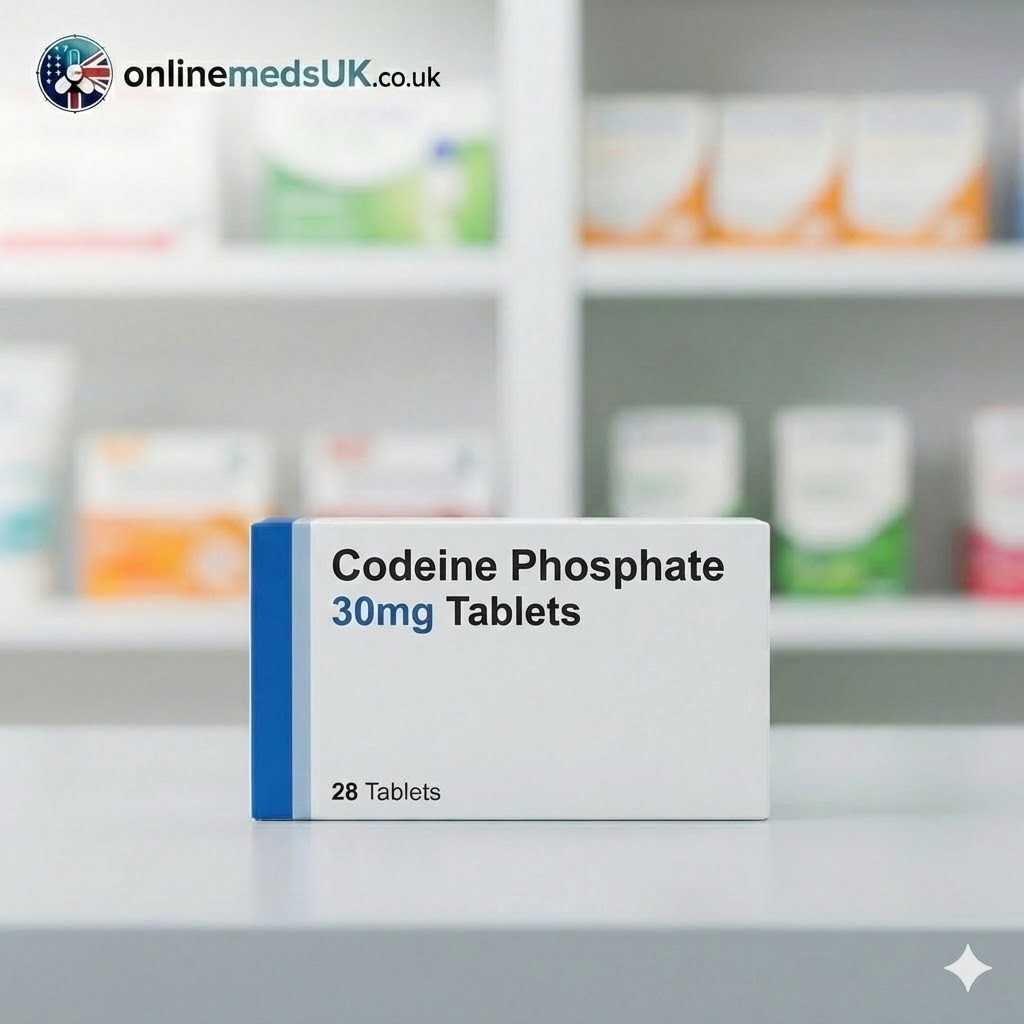
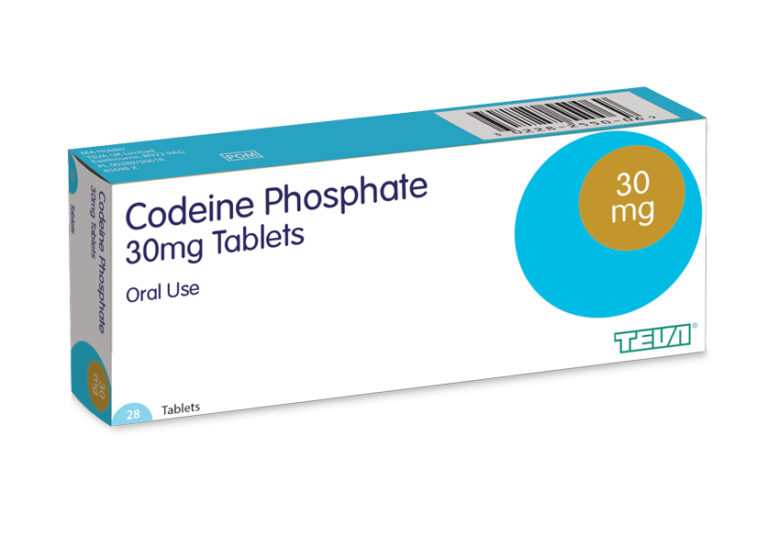
Buy Codeine Phosphate 30mg UK


Price range: £190.00 through £3,000.00
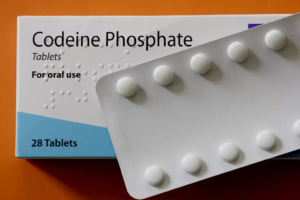
Product Overview Codeine Phosphate 30mg Tablets are a prescription-only opioid analgesic used for the short-term relief of moderate to severe acute pain when non-opioid painkillers (such as paracetamol or ibuprofen) are ineffective. In the UK, this strength is classified as Prescription Only Medicine (POM) and must only be used for a maximum of 3 days without medical review to reduce the risk of dependence and addiction.
Pain is a complex signal, a warning system that can sometimes become a debilitating condition in itself. When standard over-the-counter painkillers like paracetamol or ibuprofen are insufficient to manage your discomfort, medical professionals often turn to codeine phosphate.
As a widely prescribed opioid analgesic in the UK, codeine medication bridges the gap between simple non-opioids and strong opioids like morphine. It is primarily used for the relief of moderate pain that has not responded to other analgesics. Whether you are recovering from surgery, managing an injury, or dealing with chronic conditions, understanding codeine phosphate 30mg is essential for safe and effective recovery.
This guide explores prescription pain relief UK standards, offering detailed insights into codeine UK regulations, benefits, properties, and usage protocols.
Properties: Understanding the Medication
To use this medication safely, it is helpful to understand exactly what it is and how it is supplied.
- Active Ingredient: The tablet contains codeine phosphate hemihydrate. Codeine is a prodrug, meaning it is relatively inactive until the body processes it.
- Strength: The most common standalone prescription strength is codeine phosphate 30mg. (Lower strengths like 8mg or 15mg are often found combined with paracetamol in Co-codamol).
- Appearance: Codeine tablets are typically small, white, and round. They often have markings indicating the manufacturer or strength.
- Drug Class: It belongs to the class of medicines called opioid analgesics. It acts as a depressant on the Central Nervous System (CNS).
- Legal Classification: In its higher strengths (like 30mg), it is a Prescription Only Medicine (POM) and is subject to strict codeine phosphate controlled drug UK regulations (Schedule 5) to prevent misuse.
How Codeine Works for Pain
The efficacy of this medication lies in its interaction with the central nervous system. How codeine works for pain is a process of biological conversion.
When you swallow a tablet, it is absorbed into the bloodstream and travels to the liver. Here, an enzyme called CYP2D6 converts a percentage of the codeine into morphine. It is this converted morphine that binds to opioid receptors (specifically the mu-opioid receptors) in the brain and spinal cord.
By binding to these receptors, the medication interrupts the pain signals travelling from the nerves to the brain. It also alters the brain’s perception of pain, often producing a mild sense of well-being or relaxation, which can further aid in pain management. This dual action makes codeine use for moderate pain UK a standard protocol in hospitals and GP practices.
Benefits of Codeine Phosphate
Why is codeine phosphate chosen over other medications? Its benefits are specific to the type and intensity of pain being treated.
1. Management of Moderate Pain
It is highly effective for “Step 2” pain on the WHO analgesic ladder. This includes pain associated with:
- Post-operative recovery.
- Musculoskeletal injuries (fractures, sprains).
- Dental pain.
- Neuralgia.
2. Antitussive (Cough Suppressant)
Beyond pain relief, codeine has a suppressant effect on the “cough centre” in the brainstem. It is often used to treat a dry, non-productive cough that is exhausting the patient.
3. Antidiarrheal Action
Opioids naturally slow down the movement of the gut (peristalsis). While constipation is a side effect for pain patients, this property makes codeine beneficial for treating acute diarrhoea when loperamide is ineffective.
How to Use and Dosage Information
Correct administration is vital to prevent overdose and reduce side effects. Always refer to the codeine phosphate patient information leaflet included in your pack.
Dosage Guidelines
Codeine phosphate 30mg dosage information for adults and children over 12 years is generally as follows:
- Standard Dose: One or two tablets (30mg to 60mg) taken every 4 to 6 hours.
- Maximum Daily Dose: Do not exceed 240mg in 24 hours.
- Elderly Patients: A lower dosage is often recommended as older bodies metabolise opioids more slowly.
Administration
- Swallow the tablets whole with a drink of water.
- They can be taken with or without food, though taking them with food may reduce nausea.
- Strict Adherence: Never take more than prescribed. Taking too much can cause respiratory depression (slowed breathing), which can be fatal.
Safety, Side Effects, and Contraindications
As an opioid, codeine side effects and safety are major considerations. The codeine phosphate prescribing guidance UK emphasizes that the lowest effective dose should be used for the shortest possible duration (usually no more than 3 days without review).
Common Side Effects
- Constipation: This is very common. Patients are often advised to increase fluid and fibre intake.
- Drowsiness and Dizziness: Do not drive or operate machinery if you feel sleepy.
- Nausea and Vomiting: Usually settles after a few doses.
- Dry Mouth.
Addiction and Tolerance
Regular use can lead to tolerance (needing more to get the same effect) and dependence. Withdrawal symptoms (restlessness, sweating, body aches) can occur if stopped abruptly.
Contraindications
Codeine phosphate contraindications include:
- Respiratory Depression: Anyone with asthma attacks or COPD should use with extreme caution.
- Head Injuries: Opioids can mask signs of intracranial pressure.
- Metabolism Issues: Some people are “ultra-rapid metabolizers.” They convert codeine to morphine too quickly, leading to overdose symptoms even at normal doses. Conversely, “poor metabolizers” may get no pain relief at all.
- Pregnancy and Breastfeeding: Opioids can pass to the baby and cause withdrawal or breathing issues.
Interactions
Codeine phosphate interactions can be dangerous. Avoid mixing with:
- Alcohol: Increases the risk of profound sedation and respiratory failure.
- Benzodiazepines (e.g., Diazepam): Can cause deep sedation or coma.
- Antidepressants (MAOIs or SSRIs): Can increase the risk of Serotonin Syndrome.
Comparison: Codeine vs. Dihydrocodeine
Patients often ask about the difference in codeine vs dihydrocodeine.
- Codeine: The standard “Step 2” opioid. It requires conversion by the liver to be active.
- Dihydrocodeine (DHC): structurally similar but is active without needing as much conversion in the liver. It is often used for patients who do not get relief from codeine (poor metabolizers). Dihydrocodeine is sometimes considered slightly more potent, but side effects are very similar.
Driving Laws in the UK
If you are taking opioid pain medication guidance UK suggests you must be aware of drug-driving laws. It is illegal to drive if your driving is impaired. Even if you are not impaired, it is illegal to drive with certain drugs in your system above a specified limit unless you have a “medical defence.”
- The Medical Defence: You can drive while taking codeine if:
- It has been prescribed to you.
- You take it according to the instructions.
- It does not affect your ability to drive safely.
- Recommendation: Carry your prescription script in the car.
Frequently Asked Questions (FAQs)
- Is codeine phosphate 30mg a strong painkiller?
It is considered a “weak opioid” compared to morphine or oxycodone, but it is significantly stronger than paracetamol or ibuprofen. It is designed for moderate pain. If codeine use for moderate pain UK is ineffective, your doctor may re-evaluate your condition. - Can I take paracetamol with codeine phosphate 30mg?
Yes. In fact, taking paracetamol alongside codeine is often recommended as they work on pain in different ways (this is known as multimodal analgesia). However, do not take Co-codamol (which already contains codeine) with standalone codeine tablets, as you risk overdose. - How long does codeine stay in your system?
The effects of a dose last about 4 hours. However, traces can be detected in urine for up to 48 hours and in hair follicles for significantly longer. - Why doesn’t codeine work for me?
Approximately 10% of the Caucasian population lacks the liver enzyme (CYP2D6) needed to convert codeine into morphine. For these individuals, codeine provides no pain relief. If you find the medication ineffective, consult your doctor about alternatives like Dihydrocodeine. - Is codeine phosphate addictive?
Yes, it has addiction potential. Codeine phosphate controlled drug UK regulations exist because of this risk. If you find yourself taking it for reasons other than pain, or taking more than prescribed, seek medical advice immediately. - What should I do if I miss a dose?
If you forget to take a dose, take it as soon as you remember, unless it is nearly time for your next dose. Never take two doses at the same time to make up for a missed one.
Learn More
| Quantity | 100 pills, 200 pills, 300 pills, 400 pills, 500 pills, 1000 pills, 2000 pills |
|---|
2 reviews for Buy Codeine Phosphate 30mg UK
Add a review
Related products
PAIN RELIEF

PAIN RELIEF
PAIN RELIEF

PAIN RELIEF
PAIN RELIEF
PAIN RELIEF
frank –
Fantastic experience with Online Meds UK. The meds arrived quickly, were exactly as described, and the whole process was hassle-free. Keep up the great work.
Daisy Jade –
touchdown achieved! Easy website, quick delivery, and the relief was instant and strong. Packaging was completely private. Real quality meds at a fair price — I’m a repeat customer for sure!