
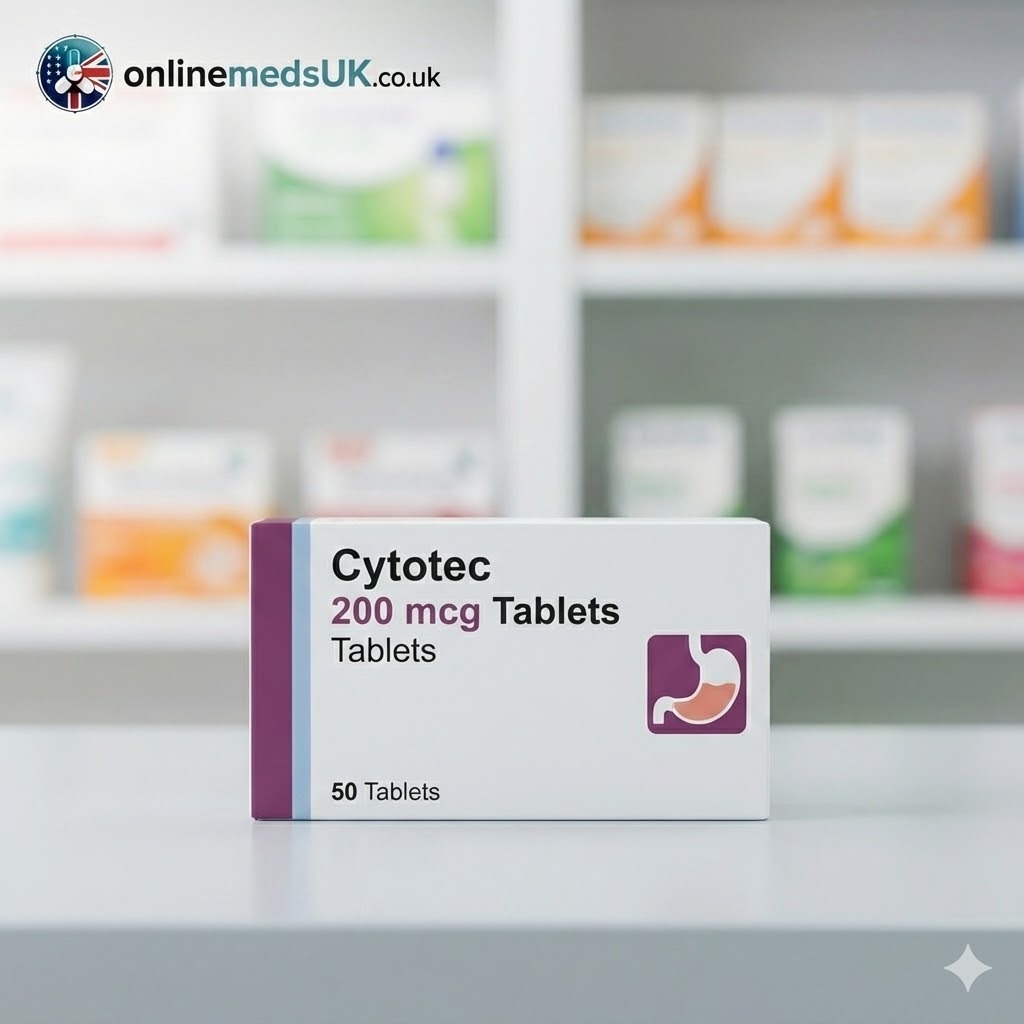
Buy Cytotec 200 mcg UK


Price range: £220.00 through £950.00
Contraindications
Cytotec cannot be prescribed for adolescents under 18 years of age, pregnant and breastfeeding women (as it causes contraction of uterus muscle and consequently abortion, birth defects and premature birth), and patients with renal impairment.
Cytotec is the brand name for a potent medication containing the active ingredient misoprostol. Belonging to a class of drugs known as synthetic prostaglandin E1 analogues, misoprostol medication plays a critical role in two very distinct areas of medicine: gastroenterology (stomach health) and obstetrics (reproductive health).
In the United Kingdom, Cytotec 200 mcg is primarily licensed for the protection of the stomach lining, particularly in patients requiring long-term pain relief with NSAIDs (Non-Steroidal Anti-Inflammatory Drugs). However, because of its unique pharmacological properties, misoprostol UK usage also extends to specialised gynecological procedures under strict medical supervision.
Whether you are a patient prescribed this for gastric ulcer prevention or seeking information on misoprostol obstetric uses UK, understanding the mechanism, risks, and regulations is vital for safe administration.
Mechanism of Action: How It Works
To understand why one drug can treat both ulcers and reproductive conditions, one must look at prostaglandin medication biology. Prostaglandins are naturally occurring fatty acids in the body that behave like hormones.
- Gastrointestinal Protection In the stomach, prostaglandins regulate the secretion of acid and stimulate the production of protective mucus and bicarbonate. NSAIDs (like ibuprofen, naproxen, or diclofenac) work by blocking prostaglandin production to stop pain, but this leaves the stomach lining vulnerable to acid damage. Misoprostol tablets replace these missing prostaglandins, restoring the stomach’s natural defence barrier against acid.
- Uterine Activity Prostaglandins also play a key role in the uterus. They cause the cervix to soften (ripen) and the uterine muscles to contract. This is why misoprostol is effective for inducing labor or emptying the uterus, but it is also why it is strictly contraindicated in pregnancy if the pregnancy is intended to be preserved.
Medical Uses and Indications
1. Gastric Ulcer Prevention and Treatment
This is the primary licensed indication for Cytotec in the UK. It is prescribed to:
- Heal duodenal and gastric ulcers.
- Prevent NSAID-induced ulcers in patients with arthritis who are at high risk (e.g., elderly patients or those with a history of ulcers).
Cytotec prescribing information UK highlights that by replenishing prostaglandin levels, it allows patients to continue necessary arthritis treatments with a significantly reduced risk of dangerous internal bleeding or perforation.
2. Obstetric and Gynaecological Uses
While the Cytotec brand is often labeled for ulcers, misoprostol medical uses UK guidelines (from bodies like the RCOG and NICE) support its use in hospital settings for:
- Medical Termination of Pregnancy (MToP): Often used in combination with mifepristone.
- Management of Miscarriage: To assist the body in expelling tissue when a pregnancy has failed (silent or incomplete miscarriage).
- Induction of Labour: Used to ripen the cervix when labour needs to be started artificially.
- Postpartum Haemorrhage (PPH): Used to stop severe bleeding after childbirth by contracting the uterus.
Dosage and Administration
Always follow the instructions on your misoprostol patient information leaflet or the specific directions given by your consultant. Cytotec 200 mcg dosage information varies significantly depending on the condition being treated.
For Gastric Ulcers (Adults)
- Healing: 800 mcg daily, divided into two or four doses (e.g., one Cytotec 200 mcg tablet four times a day).
- Prevention (Prophylaxis): 200 mcg taken two, three, or four times daily.
- Administration: Tablets should be taken with food to minimise the risk of diarrhea. The last dose of the day should be taken at bedtime.
For Obstetric Indications
Warning: These dosages are for reference only and are administered in clinical settings.
- Termination of Pregnancy: Doses are strictly regulated under the Abortion Act. Typical protocols involve vaginal, sublingual (under the tongue), or buccal (in the cheek) administration 24-48 hours after mifepristone.
- Induction of Labour: Doses are much lower (often 25 mcg) and require precise monitoring to prevent hyper-stimulation of the womb.
Misoprostol administration guidelines emphasise that for ulcer treatment, consistency is key. However, for obstetric use, timing is critical to safety and efficacy.
Safety Profile: Side Effects and Contraindications
Common Side Effects
Misoprostol side effects and safety data indicate that while effective, the drug can cause gastrointestinal upset.
- Diarrhea: This is the most common side effect. It is usually dose-related and often resolves after the first week. Taking the tablet with food helps.
- Abdominal Pain: Stomach cramps or nausea.
- Uterine Cramping: Women may experience menstrual-like cramps or spotting, even if taking it for ulcers.
Contraindications
- Pregnancy (Preservation): Misoprostol is contraindicated in pregnant women who wish to keep their baby, as it can cause miscarriage, premature birth, or birth defects (such as Moebius syndrome).
- Allergy: Known hypersensitivity to prostaglandins.
- Breastfeeding: Misoprostol breaks down into misoprostol acid, which passes into breast milk and can cause diarrhea in the infant. Consult your doctor.
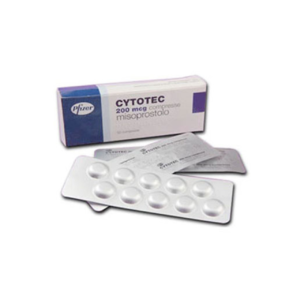
Cytotec 200 mcg
Legal and Regulatory Information
Is misoprostol legal in the UK? Yes, it is a legal, licensed medication. However, it is a Prescription Only Medicine (POM). It cannot be bought over the counter.
- Regulation: It is not a “controlled drug” in the sense of the Misuse of Drugs Act (like morphine), but its supply is strictly governed, especially regarding reproductive health.
- Misoprostol controlled medicine UK: While not a Schedule 2 drug, the supply for termination of pregnancy is legally restricted to specific clinics and hospitals (or home use under specific telemedicine “Pills by Post” regulations approved by the DHSC).
Frequently Asked Questions (FAQs)
1. What is the difference between misoprostol and mifepristone?
Misoprostol vs mifepristone is a common query. They are different drugs often used together. Mifepristone is an anti-progestogen (stops the pregnancy hormone), while misoprostol is a prostaglandin (causes cramps/contractions). For ulcers, only misoprostol is used.
- Can I use Cytotec for ulcers if I am trying to conceive?
You should exercise extreme caution. Because misoprostol can cause miscarriage, Cytotec prescribing information UK advises that women of childbearing potential should only use it if they are using effective contraception. You must have a negative pregnancy test before starting treatment for ulcers. - Why does misoprostol cause diarrhea?
As a prostaglandin analogue, misoprostol stimulates smooth muscle tissue. Just as it stimulates the uterus, it also stimulates the intestines, increasing motility (movement) which leads to loose stools. This is why taking it with meals is recommended to slow absorption and reduce this effect. - Is Cytotec the same as the “abortion pill”?
Cytotec is a brand name for misoprostol. “The abortion pill” usually refers to a treatment regimen involving two drugs: mifepristone followed by misoprostol. While Cytotec contains the necessary ingredient (misoprostol), it is branded and licensed for ulcers. Specially packaged misoprostol (like Topogyne or Medabon) is often used in clinics, though the chemical is identical. - How do I store misoprostol tablets?
Store in the original package to protect from moisture. They should be kept at room temperature (below 25°C or 30°C depending on the brand). Moisture can degrade the tablets rapidly, so do not pop them out of the blister pack until you are ready to take them. - Do I need a prescription for misoprostol in the UK?
Yes. Is misoprostol legal in the UK without a prescription? No. It is illegal to sell or supply it without a valid prescription from a doctor or qualified prescriber. Buying it from unregulated online sources is dangerous and illegal.Learn More
| Quantity | 100 pills, 150 pills, 200 pills, 500 pills |
|---|
2 reviews for Buy Cytotec 200 mcg UK
Add a review
Related products
PAIN RELIEF

PAIN RELIEF

PAIN RELIEF
PAIN RELIEF

PAIN RELIEF

PAIN RELIEF
oil –
Online Meds UK is reliable and efficient. I’ve ordered multiple times, and each delivery has been spot on. Their prices are fair, and the quality is outstanding – thank you.
Elizabeth Ann –
Cytotec 200 mcg UK from onlinemedsuk.co.uk was my best purchase yet — touchdown! Super fast and discreet delivery. It worked perfectly for what I needed and I felt relief right away. Thank you for the smooth, professional service!