
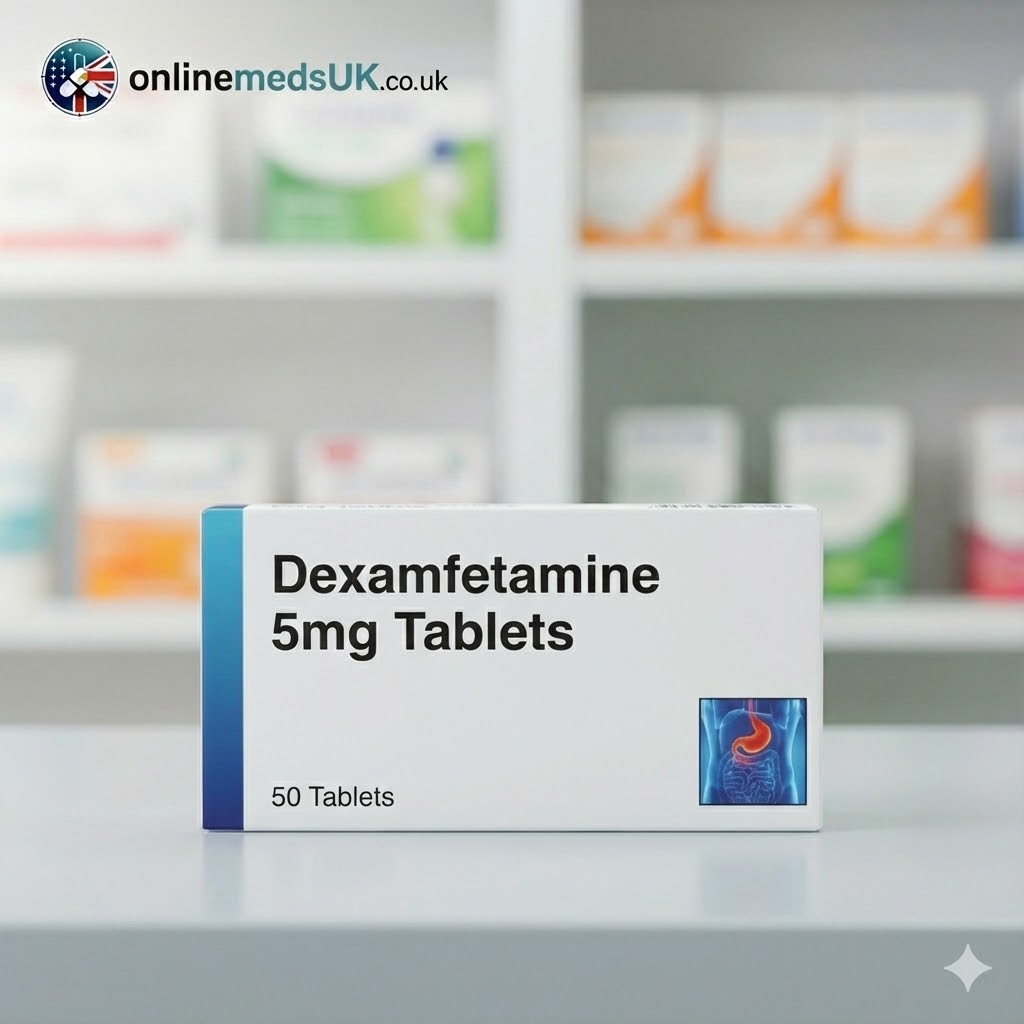
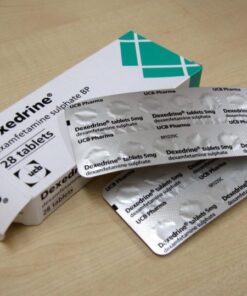
Buy Dexamfetamine 5mg UK


Price range: £260.00 through £710.00
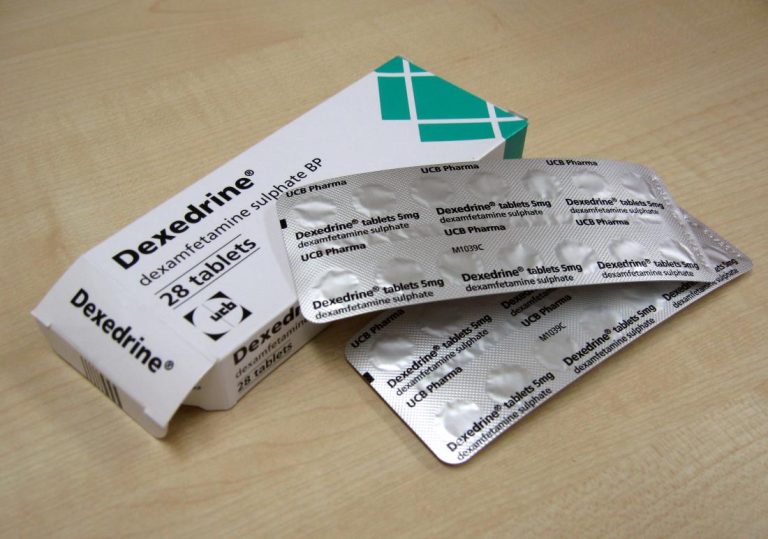
Product Overview Dexamfetamine 5mg Tablets (brand name Dexedrine in some markets) are a Schedule 2 Controlled Drug and Prescription Only Medicine used for:
- Treatment of Attention Deficit Hyperactivity Disorder (ADHD) in children over 6 and adults when methylphenidate is unsuitable or ineffective
- Management of narcolepsy with cataplexy in adults and children
Attention Deficit Hyperactivity Disorder (ADHD) requires a nuanced approach to treatment. For many patients, long-acting medications do not provide the flexibility needed for a dynamic lifestyle. This is where dexamfetamine plays a crucial role. As a short-acting stimulant medication ADHD, it offers precise control over symptom management, allowing patients to tailor their treatment to their specific daily demands.
Whether you are investigating dexamfetamine UK availability for a child struggling in school or looking into dexamfetamine for adults with ADHD to manage workplace focus, understanding the properties, benefits, and usage guidelines is essential for safe and effective treatment.
Properties: Understanding the Medication
To fully appreciate the role of this drug in psychiatric care, it is helpful to understand its pharmacological profile.
- Active Ingredient: The primary active component is dexamfetamine sulfate. It is a sympathomimetic amine, which acts on the central nervous system.
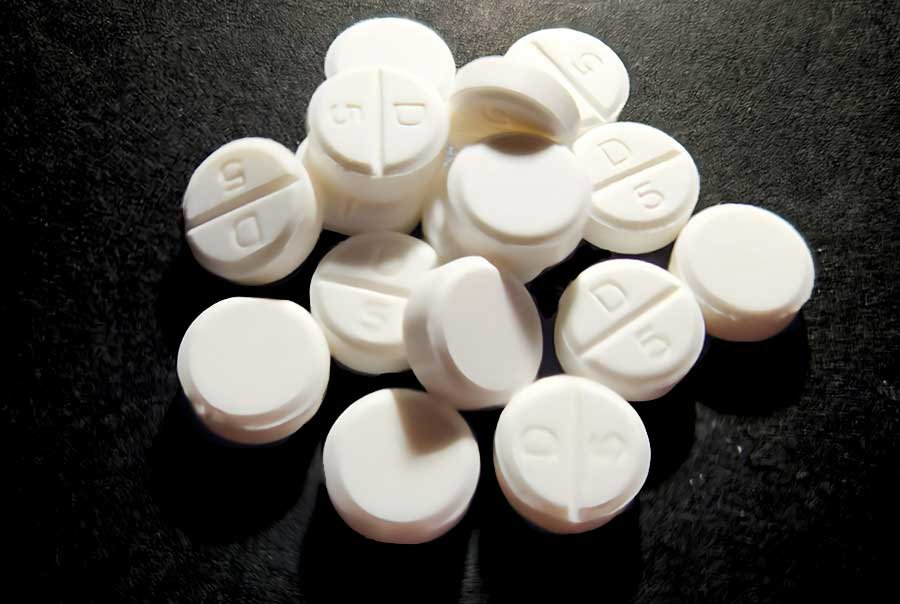
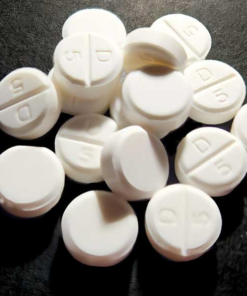
- Appearance: In the UK, dexamfetamine medication is typically supplied as white, round, scored tablets. The scoring allows the tablet to be easily split, facilitating precise titration (dose adjustment).
- Strength: The standard preparation is dexamfetamine 5mg. This low-increment strength is vital for finding the “minimum effective dose” for each patient.
- Pharmacokinetics: Dexamfetamine is rapidly absorbed from the gastrointestinal tract. Peak plasma concentrations are usually reached within 1.5 to 3 hours. Its half-life is typically between 10 to 12 hours in adults, though the therapeutic effect is often felt for a shorter window (3–5 hours), necessitating multiple doses per day.
- Classification: It is a dexamfetamine controlled drug UK (Schedule 2), reflecting its potency and the strict regulations surrounding its supply and storage.
Key Benefits of Dexamfetamine Therapy
Why do specialists prescribe this medication over others? The benefits of dexamfetamine for ADHD UK are distinct, particularly for those who do not respond well to methylphenidate or lisdexamfetamine.
1. Rapid Onset of Action
One of the primary benefits is how quickly it works. Patients often report improved focus and reduced “brain fog” within 30 to 60 minutes of ingestion. This makes it ideal for tasks requiring immediate attention.
2. Dosage Flexibility
Unlike extended-release capsules that must be taken once in the morning, dexamfetamine 5mg tablets allow for a tailored schedule. A patient might take a dose before a morning meeting and another before an afternoon task, skipping doses during weekends or holidays if advised by their doctor. This control is a major advantage of dexamfetamine vs lisdexamfetamine.
3. The “Top-Up” Effect
Many patients take a long-acting medication (like Elvanse) in the morning, but find it wears off by 4 PM, leaving them struggling with evening responsibilities. Dexamfetamine is widely used as a “booster” dose in the late afternoon to extend symptom control without affecting sleep as significantly as a second long-acting dose would.
4. Improved Executive Function
By increasing dopamine availability, dexamfetamine for children ADHD UK and adults helps improve “executive functions.” This includes better working memory, emotional regulation, and the ability to plan and organise complex tasks.
How to Use Dexamfetamine Safely
Proper administration is critical to maximising benefits and minimising dexamfetamine side effects. Always follow the dexamfetamine treatment guidelines UK provided by your specialist.
Step-by-Step Instructions
- Timing is Key: The first dose is usually taken upon waking. Subsequent doses are spaced out, typically every 3 to 4 hours.
- Administration: Swallow the tablet whole with a glass of water. It can be taken with or without food. However, taking it with a high-fat meal may slightly delay the onset of action.
- Use the Score Line: If your doctor prescribes a 2.5mg dose (common for children or sensitive adults), place the dexamfetamine 5mg tablet on a flat surface and press down to snap it along the score line.
- Avoid Late Doses: To prevent insomnia, the last dose of the day should generally be taken no later than 4:00 PM or 5:00 PM, depending on individual metabolism.
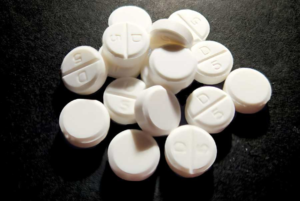
dexamfetamine
Dosage Guidelines
Dexamfetamine 5mg dosage information varies by patient age and severity of symptoms.
- Starting Dose: Often 5mg once or twice daily.
- Titration: The dose is increased weekly by 5mg increments until the optimal response is achieved.
- Max Dose: NHS dexamfetamine prescribing guidance usually caps the daily dose at 60mg for adults, though lower maximums apply to children.
How Dexamfetamine Works for ADHD
How dexamfetamine works for ADHD is rooted in neurobiology. Brains with ADHD typically have dysregulation in the reuptake of dopamine and norepinephrine. Dexamfetamine enters the nerve terminal and promotes the release of these neurotransmitters into the synaptic space.
Simultaneously, it blocks the reuptake pumps that usually recycle these chemicals. The result is a sustained increase in neurotransmitter activity in the prefrontal cortex—the area of the brain responsible for focus, impulse control, and decision-making.
Safety, Monitoring, and Prescription
Because this is a potent stimulant, dexamfetamine safety and monitoring are rigorous.
- Baseline Checks: Before starting, your blood pressure, heart rate, and weight will be recorded.
- Routine Monitoring: You will require check-ups every 3 to 6 months to ensure your cardiovascular health remains stable and that there is no significant weight loss due to appetite suppression.
- Prescribing: Obtaining a dexamfetamine prescription UK requires an initial assessment by a specialist psychiatrist. GPs cannot initiate this medication but can maintain it under a Shared Care Agreement.
Frequently Asked Questions (FAQs)
- What is the difference between Dexamfetamine and Lisdexamfetamine?
The comparison of dexamfetamine vs lisdexamfetamine is common. Lisdexamfetamine (Elvanse) is a prodrug, meaning it is inactive until the body processes it, providing a long, smooth duration of action (up to 13 hours). Dexamfetamine is the active drug itself, working instantly but for a shorter duration (3-5 hours). Dexamfetamine offers more flexibility, while Lisdexamfetamine offers convenience. - What are the main side effects?
Dexamfetamine side effects can include reduced appetite, dry mouth, insomnia, and mild palpitations. Some patients experience a “rebound” effect—increased irritability or fatigue—as the medication wears off. These effects often diminish as the body adjusts to the medication. - Is it difficult to get a prescription?
Due to its status as a dexamfetamine controlled drug UK, regulations are strict. You must be diagnosed with ADHD by a specialist. Once diagnosed, dexamfetamine prescription UK rules limit the supply to 30 days at a time to ensure regular monitoring. - Can adults take Dexamfetamine?
Absolutely. Dexamfetamine for adults with ADHD is a standard treatment option, particularly for those with variable work schedules who need to time their medication efficacy to specific periods of high cognitive demand. - Is it addictive?
When taken as prescribed for ADHD, the risk of addiction is low. Dexamfetamine safety and monitoring protocols are designed to prevent misuse. The therapeutic doses used for ADHD are much lower than those associated with recreational abuse. - What if I am pregnant?
You must consult your doctor immediately. Dexamfetamine medication is generally avoided during pregnancy unless the benefits significantly outweigh the risks, as it can cross the placenta.
| Quantity | 112 Tablets, 224 Tablets, 448 Tablets |
|---|
3 reviews for Buy Dexamfetamine 5mg UK
Add a review
Related products

ADHD

ADHD
Tony halthon –
My best ever shop thanks you online meds
zounevill –
So happy with my purchase from Online Meds UK. Easy navigation on the site, speedy delivery, and genuine products. Their team made me feel valued as a customer.
Fern Dell –
Ordered Sunday night, in my hands Monday afternoon. The focus and energy boost is exactly what I was hoping for. Everything arrived genuine and private. Couldn’t ask for better!